
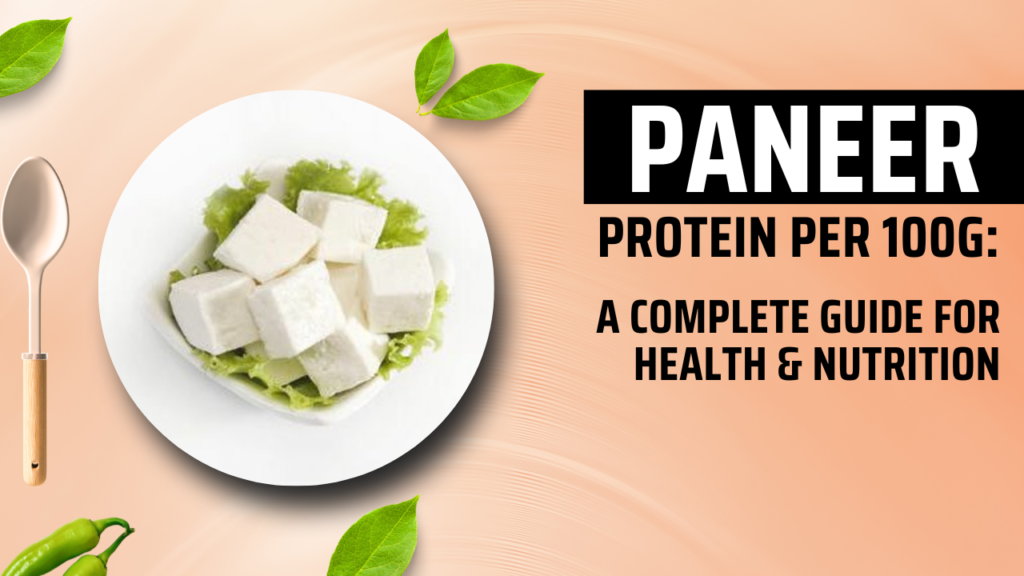
Why Paneer Protein per 100g Matters for Your Diet
Paneer, also known as Indian cottage cheese, is one of the most loved dairy products across India. From curries to snacks, paneer finds its way into countless dishes, making it not only delicious but also a rich source of protein. Understanding paneer protein per 100g helps you make better dietary choices, especially if you’re focused on building muscle, losing weight, or improving overall health.
In this article, we’ll break down the protein content in paneer, its nutritional value, health benefits, comparison with other protein sources, and the best ways to include it in your daily meals.
What is Paneer? A Quick Overview
The History and Popularity of Paneer in India
Paneer has been a part of Indian cuisine for centuries, especially in North India. Unlike many cheeses, paneer is non-melting, making it perfect for curries, grilling, and frying. It’s also widely accepted in vegetarian households as a primary protein source.
Nutritional Profile of Paneer
Paneer is made by curdling milk with lemon juice or vinegar. Besides protein, paneer is packed with calcium, phosphorus, and healthy fats, making it a complete food.
Paneer Protein per 100g: Detailed Breakdown
Protein Content in 100g of Paneer
n average, 100g of paneer contains 18–20g of protein, depending on whether it’s full-fat or low-fat paneer. This makes it one of the best vegetarian protein sources.
Calories and Other Nutrients Alongside Protein
Calories: ~265 kcal
Protein: 18–20g
Fat: 20–21g
Carbohydrates: 1–2g
Calcium: 208mg
Comparing Raw Paneer vs Cooked Paneer Protein Content
Cooking paneer doesn’t drastically reduce its protein value, but frying may increase calorie count due to added oil. Steaming or grilling helps retain most nutrients.
Health Benefits of Paneer Protein per 100g
Supports Muscle Growth and Recovery
Protein is essential for muscle repair. Paneer, being rich in casein protein, digests slowly, providing sustained energy to muscles.
Boosts Bone and Dental Health
Paneer is loaded with calcium and phosphorus, which strengthen bones and teeth, reducing the risk of osteoporosis.
Helps in Weight Management
Paneer protein keeps you full for longer, reducing cravings and helping in weight loss diets.
Strengthens Immunity
Paneer contains antioxidants and protein that aid in boosting the immune system and overall vitality.
Paneer vs Other Protein Sources
| Food (100g) | Protein Content |
|---|---|
| Paneer | 18–20g |
| Chicken Breast | 27g |
| Eggs (2 large) | 12g |
| Tofu | 8g |
Paneer is not the highest protein source, but it’s the best option for vegetarians who avoid meat and eggs.

How Much Paneer Should You Eat Daily?
- Adults: 100–150g (depending on activity level)
- Athletes & Bodybuilders: 150–200g
- Kids: 50–100g
Best Ways to Consume Paneer for Maximum Protein
- Breakfast: Paneer paratha, scrambled paneer
- Lunch/Dinner: Paneer curry, grilled paneer tikka
- Snacks: Paneer cutlets, paneer salad, paneer smoothie
Tips for Buying High-Protein Paneer
- Prefer homemade paneer for freshness.
- Choose low-fat paneer if weight management is your goal.
- Check labels for protein and fat content in store-bought paneer.
Common Myths About Paneer Protein
- Myth 1: Paneer makes you fat → Truth: Excess calories make you fat, not paneer.
- Myth 2: Paneer is only for vegetarians → Truth: Paneer is healthy for everyone.
Side Effects of Eating Too Much Paneer
- Overeating may cause bloating or constipation.
- Full-fat paneer can raise cholesterol levels if eaten excessively.
FAQs About Paneer Protein per 100g
Q1. How much protein is in 100g of paneer?
100g of paneer has about 18–20g of protein.
Q2. Is paneer good for bodybuilding?
Yes, paneer is rich in casein protein, which supports muscle growth and recovery.
Q3. Can paneer help in weight loss?
Yes, paneer protein keeps you full longer, reducing cravings.
Q4. Is homemade paneer better than store-bought?
Homemade paneer is fresher and often has fewer preservatives.
Q5. Can kids eat paneer daily?
Yes, paneer is safe and healthy for kids in moderation.
Q6. Is paneer suitable for lactose-intolerant people?
Some with mild lactose intolerance can tolerate paneer, but it varies from person to person.
Conclusion: Why Paneer is the Perfect Protein Choice
Paneer is a nutrient-dense, protein-rich food that fits perfectly into vegetarian and non-vegetarian diets. With about 18–20g protein per 100g, it’s an excellent choice for muscle building, weight management, and overall health. By including paneer in balanced meals, you can enjoy both taste and nutrition every day.
👉 For more nutrition and health tips, visit MaruCare India.
Tags: 1 cube paneer protein, 1 kg paneer protein content, 100 g paneer nutrition, 100 g paneer protein, 100 gm of paneer, 100 gm of paneer protein, 100 gm paneer calories and protein, protein in paneer per 100g